THE PITON DE LA FOURNAISE FROM LA BELLE DU SUD
Visiting the Piton de la Fournaise: hikes and advice from the Sud Sauvage
Sunrise over the Plaine des Sables, a hike up to the Dolomieu crater or a quiet drive along the Route du Volcan: from La Belle du Sud, set off to meet one of the most spectacular landscapes on Réunion Island.
Sometimes you have to get up before daybreak to understand an island.
From La Belle du Sud, when the house is still asleep and the ocean can barely be made out in the darkness, a road climbs towards the Hauts of Réunion. Little by little, the tropical gardens disappear, the vegetation changes and the landscapes turn wilder.
Then comes the Plaine des Sables.
Red, ochre and black suddenly replace the green. The ramparts take shape in the first light and, for a few moments, this immense mineral expanse feels like witnessing the first morning of the world.
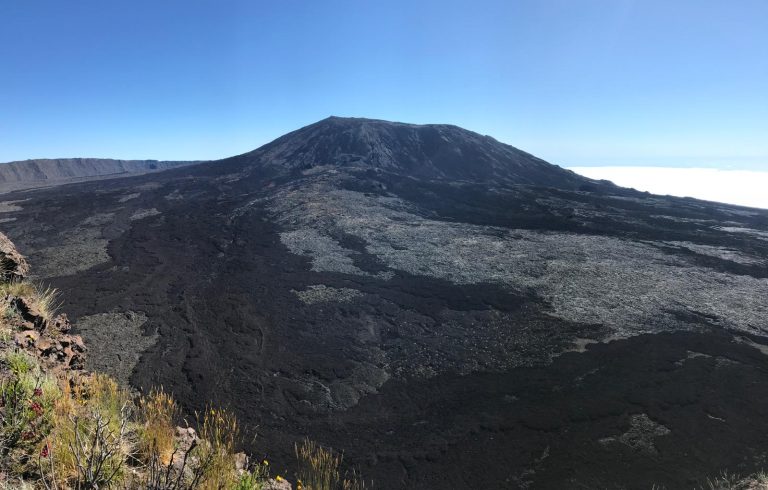
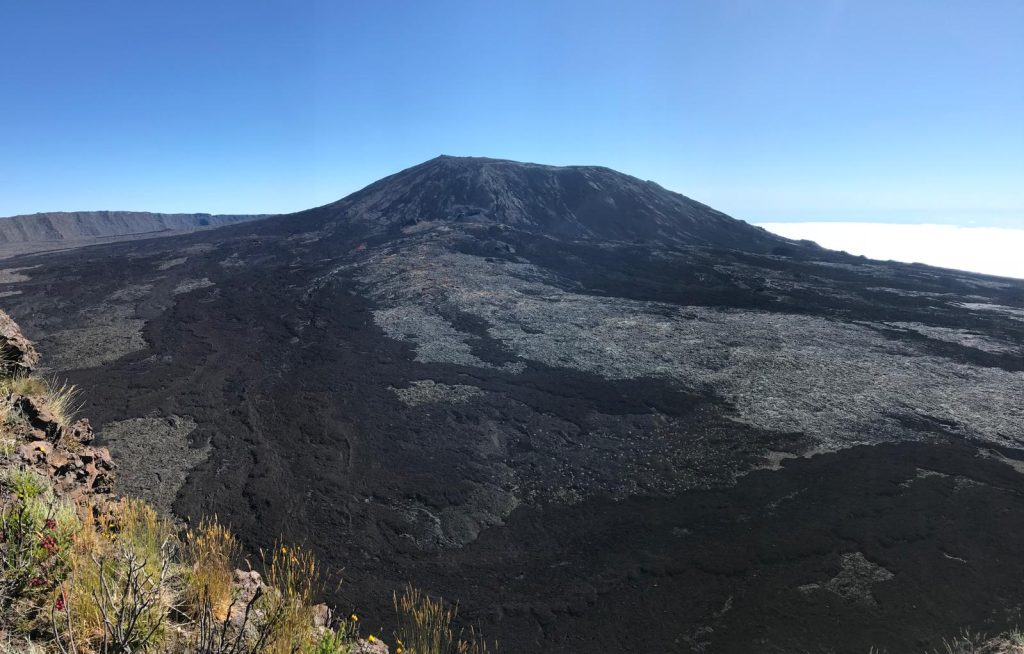
Welcome to the realm of the Piton de la Fournaise, one of the most active volcanoes on the planet and one of the essential landscapes of a stay on Réunion Island.
From the Sud Sauvage, the volcano is not simply visited.
It is encountered.
The Piton de la Fournaise in practice
| Your experience | What you need to know |
|---|---|
| Route du Volcan | A spectacular scenic road crossing the landscapes of the Hauts of Réunion. |
| Plaine des Sables | Accessible by car. One of the most striking volcanic landscapes on the island. |
| Pas de Bellecombe-Jacob | A remarkable panorama over the Enclos Fouqué and the Piton de la Fournaise. |
| Dolomieu crater | Generally allow 5 to 6 hours there and back, depending on the route open, your pace and the conditions. |
| When to go? | An early morning start is strongly recommended to make the most of the light and better visibility. |
| Breakfast | La Belle du Sud can prepare your breakfast to take away, on request the evening before. |
| For walkers | Several options exist in the Hauts from the areas of Basse Vallée, Grand Galet and Grand Coude. |
| Transport | Transport on the way out and/or back can be arranged on request and as an option for certain routes. |
| Before setting off | Always check the weather, whether the trails are open and any restrictions linked to volcanic activity. |
The volcano at daybreak
We will gladly advise you to leave early.
Very early, in fact.
But after all, holidays are also there to make you forget the time…
For those willing to sacrifice a few hours of sleep, discovering the Piton de la Fournaise in the first light offers one of the most beautiful awakenings on Réunion Island.
The road is still climbing in the dark when the sky begins to change colour. Then the Plaine des Sables appears. The first light lengthens the shadows on the ramparts and gradually reveals an almost unreal setting.
Leaving early also has one advantage: at altitude, clouds tend to build up as the day goes on. The morning generally offers better visibility.
And because an adventure that starts before dawn deserves a little care, Véronique and Järnö can prepare your breakfast to take away, simply ask the evening before.
A coffee, a few treats, water, good shoes and clothing suited to the altitude.
The volcano will do the rest.
The Plaine des Sables: when Réunion changes planet
Even without undertaking a long hike, the Route du Volcan is worth the journey on its own.
Its most spectacular section is probably the Plaine des Sables.
After the green landscapes of the Hauts, everything changes abruptly. The vegetation fades away and gives way to an immense red, brown and black expanse shaped by volcanic activity.
Stop for a few moments.
Get out of the car.
Listen.
The silence is part of the landscape.
The road then continues to the Pas de Bellecombe-Jacob, a true natural balcony overlooking the Enclos Fouqué and the cone of the Piton de la Fournaise.
For those who do not wish to undertake a long hike, the discovery can stop here.
And that will already be a great deal.
Walking to the Dolomieu crater
For walkers, the adventure continues on foot from the Pas de Bellecombe-Jacob.
The trail descends into the Enclos Fouqué before reaching the old lava flows. The Formica Léo, a small volcanic cone with reddish tones, quickly appears in the middle of this mineral immensity.
Then begins an astonishing walk on land almost devoid of vegetation.
Here, all that remains is the rock, the sky and that strange feeling of walking on an island that has never quite finished being born.
When conditions and the authorities allow access, the Dolomieu crater is the emblematic goal of the hike.
Generally allow 5 to 6 hours there and back, depending on the route open, your pace and the conditions of the day.
This hike requires good physical condition, suitable shoes and mountain equipment. The volcanic terrain can be uneven and weather conditions can change quickly.
But once up there, facing the immensity of the crater, one essential thing becomes clearer:
Réunion was born of fire.
Discovering the volcano without the climb
Fortunately, you do not need to walk for several hours to feel the power of the Fournaise.
The Route du Volcan, the Plaine des Sables and the Pas de Bellecombe-Jacob already offer an exceptional immersion in the island’s volcanic landscapes.
Depending on openings and conditions, other shorter hikes also allow you to discover the area.
Some will set off before dawn to reach the Dolomieu.
Others will simply open the breakfast prepared by Véronique and Järnö facing the Plaine des Sables and watch the sun reach the peaks.
At La Belle du Sud, we believe there are as many ways of discovering Réunion as there are travellers.
For walkers: discovering the Hauts from the Sud Sauvage
For experienced hikers, the Sud Sauvage offers another way of approaching the landscapes of the Hauts.
The areas of Basse Vallée, Grand Galet and Grand Coude, close to La Belle du Sud, make longer and more immersive hikes possible.
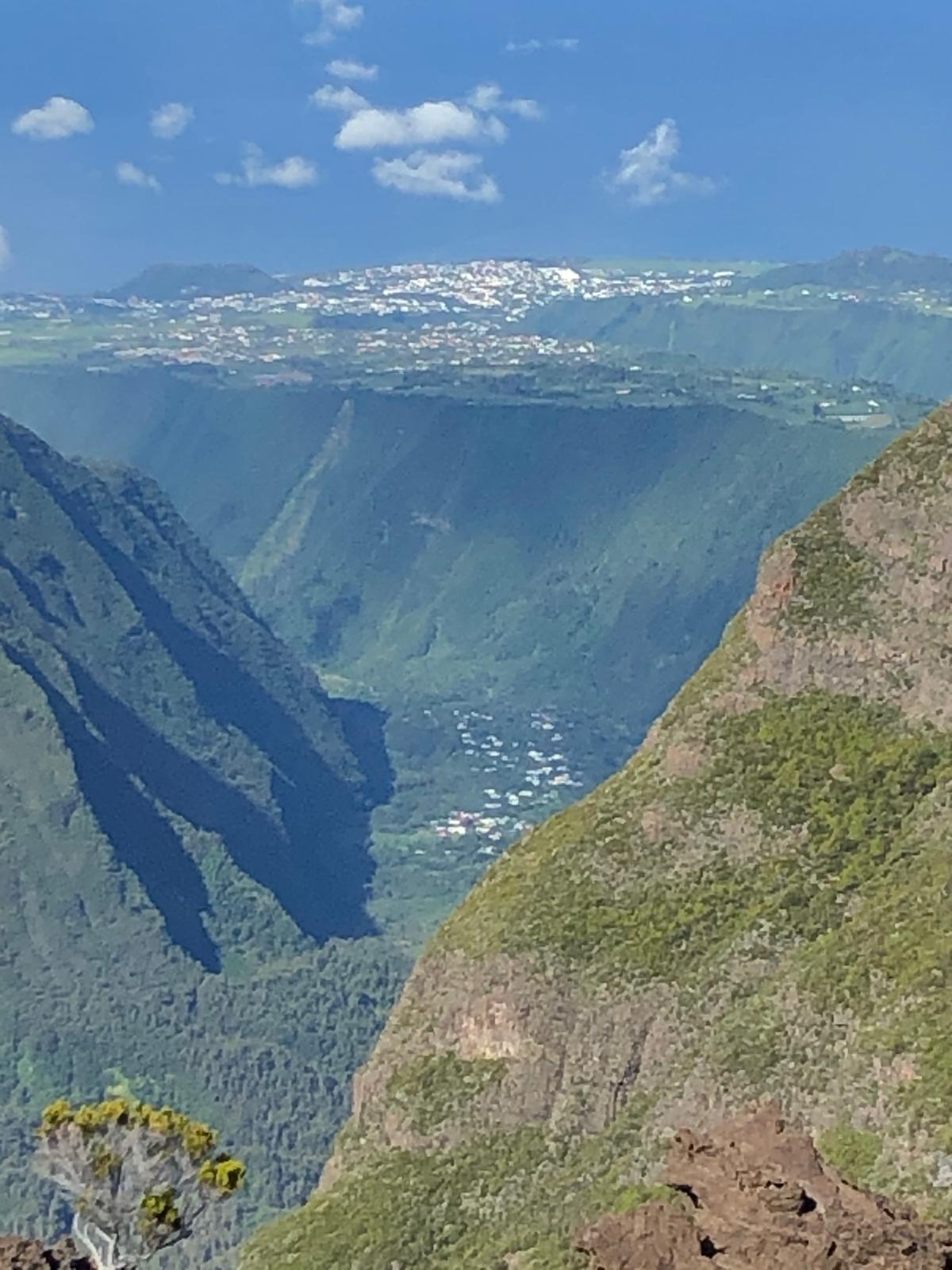
Their appeal lies as much in the destination as in the gradual transformation of the landscape.
You leave the tropical vegetation of the Sud Sauvage. You cross the rainforest. You gain altitude.
The temperature drops.
The trees change.
The vegetation thins out.
And gradually, the volcanic landscape appears.
The walker has then not simply reached the Hauts:
they have seen Réunion transform beneath their feet.
These routes do, however, require more preparation. Their duration and difficulty vary greatly depending on the chosen route, the weather and the destination.
Tell us about your level, your wishes and the time you have available: we can point you towards a discovery suited to your stay.
For certain routes, transport on the way out and/or back can also be arranged on request, as an option, making it possible in particular to consider fine traverses without having to return to the starting point.
Which way of discovering the Piton de la Fournaise should you choose?
| What you feel like | Our suggestion |
|---|---|
| Admiring the volcano without a long hike | Drive the Route du Volcan, cross the Plaine des Sables and reach the Pas de Bellecombe-Jacob. |
| Walking for a few hours | Choose one of the shorter routes accessible in the massif depending on conditions and openings. |
| Experiencing the great volcano hike | When access is permitted, set off to discover the Dolomieu crater. |
| Looking for a more sporting experience | Explore the hiking options in the Hauts from Basse Vallée, Grand Galet or Grand Coude. |
| Favouring contemplation | Set off before daybreak with your breakfast and simply take the time to watch the light spread over the Plaine des Sables. |
At the Piton de la Fournaise, the volcano and the mountain always decide a little on your behalf.
A living mountain: a few essential precautions
The Piton de la Fournaise is an active volcano. Access conditions and trail openings may change depending on its activity.
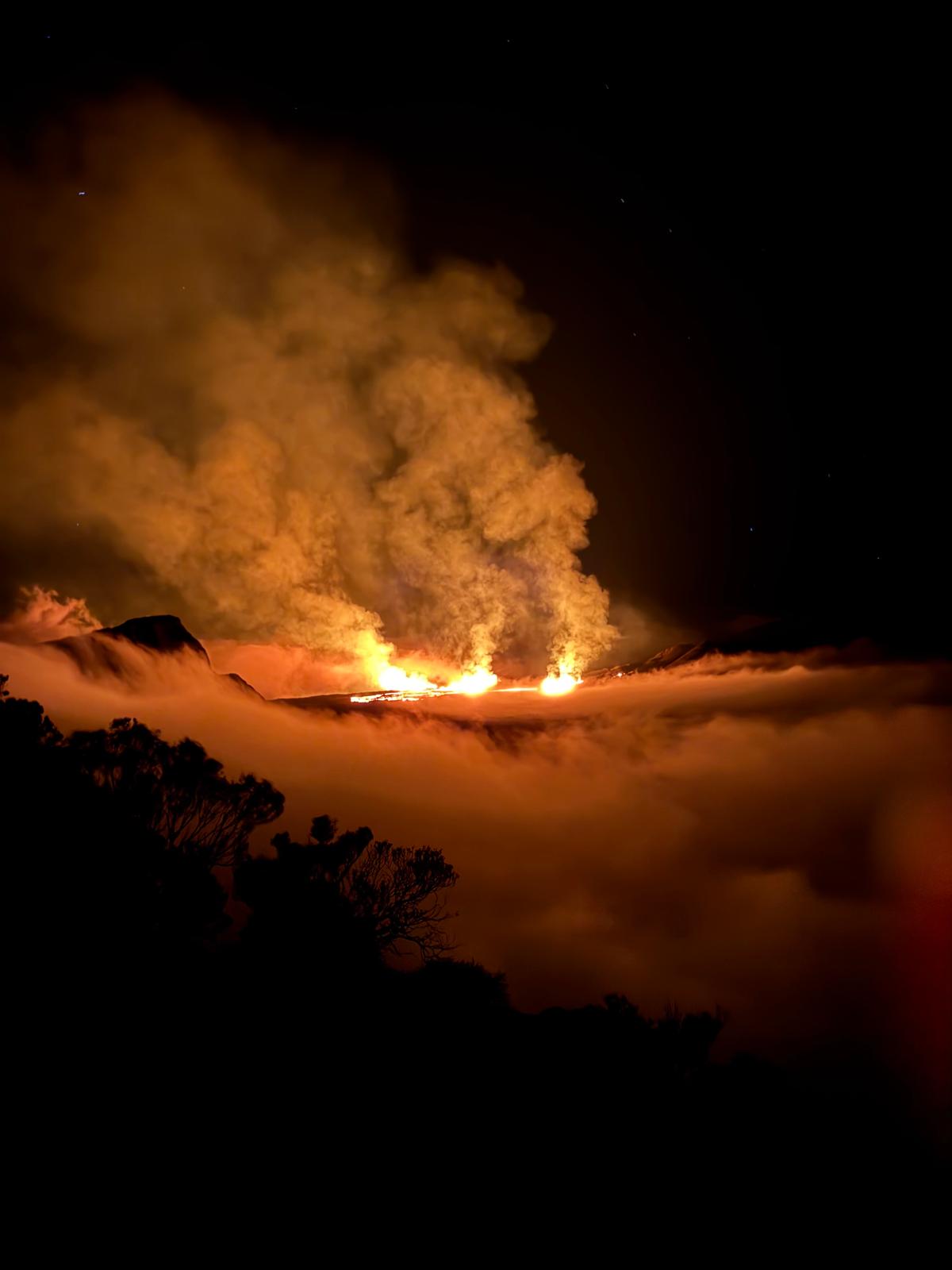
At altitude, the weather can also change quickly: fog, wind, rain and falling temperatures can follow a perfectly clear sky within a short time.
Before each departure, always check:
- the weather at altitude;
- whether the trails are open;
- any prefectural restrictions linked to volcanic activity.
Bring enough water and food, sun protection, good shoes, warm clothing and rain protection.
Always stay on authorised and waymarked routes.
Knowing when to turn back when conditions require it does not mean you have missed your trip.
It simply means respecting the mountain.
From fire to water: coming back to La Belle du Sud
A few hours later, the road descends again towards the Sud Sauvage.
And the island transforms a second time.
The rock lets the trees return.
Then the flowers.
Then the heat.
And finally the ocean.
When you step through the doors of La Belle du Sud again, the infinity pool will probably feel even more welcoming than it did in the morning.
Put down your shoes.
A few lengths, perhaps.
Or not…
Simply settle under the veranda, facing the ocean.
That is also why La Belle du Sud was imagined: so that days can belong to adventure and returns can feel like refuges.
Extending the volcanic experience
The Piton de la Fournaise is not discovered only from its summits.
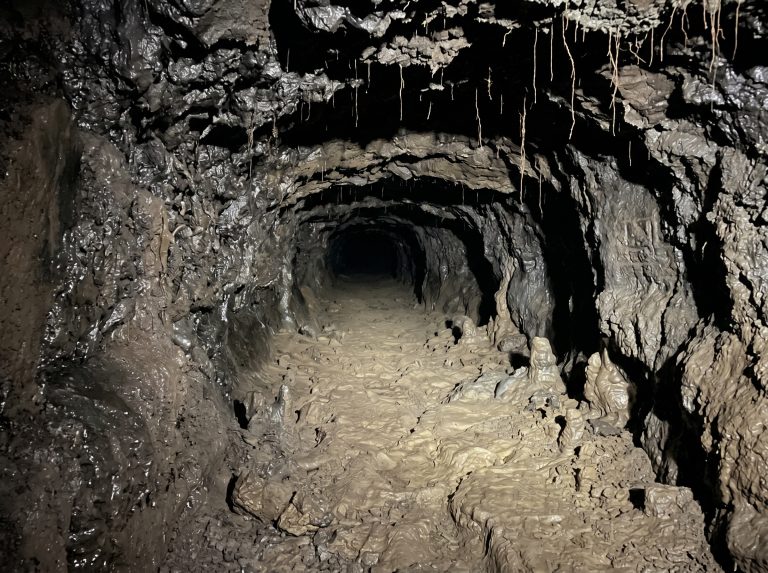
On another day, you can explore the lava tunnels of Réunion Island , those natural galleries carved out in the heart of ancient lava flows.
After contemplating the volcano from the Hauts, going beneath the lava reveals a completely different dimension.
The light disappears.
The temperature changes.
The outside world fades away.
And the rock begins to tell its story.
For a complete change of scenery, head next to the Cap Jaune trail , where the ochre cliffs meet the deep blue of the Indian Ocean.
Two seemingly opposite landscapes and yet the same story: that of an island built by the volcano and then patiently sculpted by the sea.
To imagine the other days of your stay, discover our selection ofactivities to enjoy from La Belle du Sud.
After the hike… doing nothing at all
There comes a moment when the legs have walked enough.
That is usually the ideal time to practise another activity offered at La Belle du Sud:
doing nothing at all.
Or almost.
By reservation, a massage directly at La Belle du Sud can be arranged to relax the muscles after a day’s hiking.
Then evening comes.
The terrace gradually cools down while the last light slides across the ocean.
When the table d’hôtes is offered, Véronique and Järnö like to share a cuisine inspired by Réunion and by their travels: Creole flavours, recipes from elsewhere and produce chosen according to the seasons and their mood.
All that is left is to tell the story of your day.
The Plaine des Sables.
The wind.
The crater.
That morning light.
And perhaps to understand that the real luxury of a journey is not to pile up kilometres and visits.
It is finally having the time to look.
FAQ – Visiting the Piton de la Fournaise
How long does the hike at the Piton de la Fournaise take?
The duration varies depending on the route chosen. On average, allow between 5 and 6 hours there and back to reach the Dolomieu crater from the Pas de Bellecombe-Jacob . Some shorter variants allow you to discover the volcanic world without undertaking the full climb.
Can you visit the Piton de la Fournaise without hiking?
Yes. It is entirely possible to discover the volcano without undertaking a long hike. The Route du Volcan gives access in particular to the Plaine des Sables and the Pas de Bellecombe-Jacob.
What is the best time to visit the volcano?
An early morning start is strongly recommended. The first light offers a particularly beautiful atmosphere and clouds often tend to build up at altitude during the day.
The period from May to November, broadly corresponding to the austral winter and the driest season, often offers good conditions. In the mountains, however, the weather remains changeable all year round.
Is the hike at the Piton de la Fournaise difficult?
The hike to the Dolomieu is a genuine mountain outing. The volcanic terrain can be uneven and involves descents and climbs. Good physical condition, hiking shoes and suitable equipment are essential.
Can you set off from the Sud Sauvage to visit the volcano?
Yes. The Sud Sauvage is an excellent starting point for discovering the volcanic massif. The areas of Basse Vallée, Grand Galet or Grand Coude also offer various options for experienced walkers wishing to discover the Hauts.
Do you need a guide to visit the Piton de la Fournaise?
A guide is not compulsory on the waymarked routes open to the public. Calling on a professional can nevertheless enrich the experience by helping you better understand the volcanic history, the geology and the particularities of the massif.
What should you bring for the hike?
Bring enough water and food, sun protection, warm clothing, a windproof or waterproof jacket as well as good hiking shoes.
Even when it is hot on the coast, conditions can be very different at altitude.
Can La Belle du Sud prepare breakfast for an early departure?
Yes. On request the evening before, Véronique and Järnö can prepare a breakfast to take away, so that you can leave before sunrise without giving up the little touches of the house.
Continuing your discovery of the Sud Sauvage
| From La Belle du Sud | For which experience? |
|---|---|
| Discovering the lava tunnels | Moving from the surface of the volcano to its underground world and understanding how the ancient flows shaped the island. |
| Walking the Cap Jaune trail | Finding the ocean again and discovering the astonishing ochre cliffs of the Sud Sauvage. |
| Enjoying a massage at La Belle du Sud | Treating yourself to a real moment of relaxation after the day’s hikes and discoveries. |
| Discover all our activities | Planning your stay and discovering other experiences to enjoy around the house. |